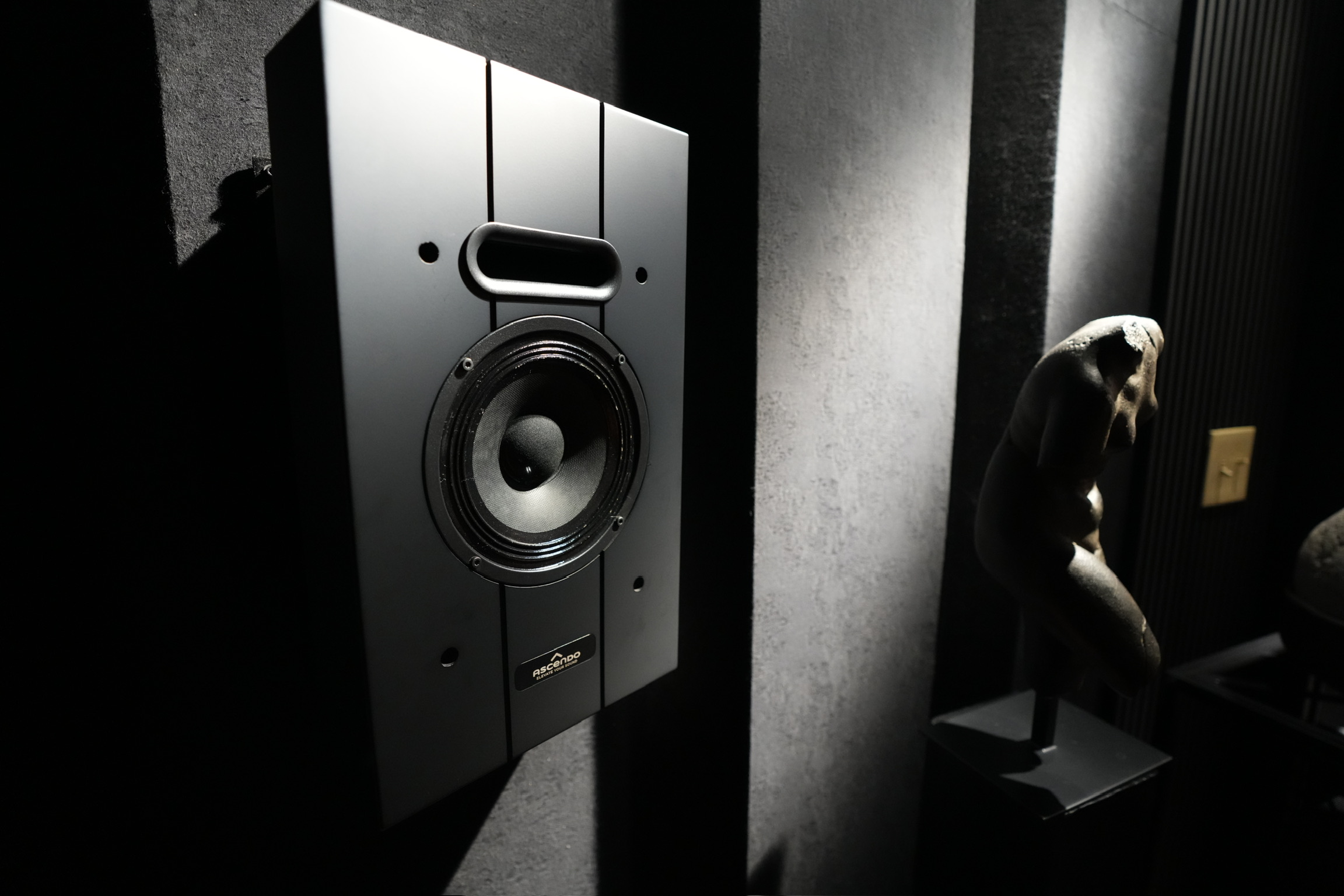
As an integrator, you make product decisions every day that shape how a room feels—not just how it measures. Yet much of today’s loudspeaker market is driven by materials, industrial design, or marketing narratives. What’s often overlooked is the key question: How does this speaker interact with the room—and with the human brain?
That question is inherently about time.
The Brain Is a Time-Domain Processor
Human hearing evolved as a survival tool. Long before frequency response charts and distortion plots, we developed a highly refined 3D acoustic radar system. We localize threats by detecting minute differences in arrival time between our ears and by analyzing early reflections—a time-domain process. If you hear a bump in the night, where is it coming from? Is the threat near or far? Are you in danger? We subconsciously listen to reflections to determine safety.
In reflective spaces—stone floors, concrete walls, open-plan layouts, high ceilings—sound arrives at the ears from multiple directions in rapid succession. When arrival times are smeared or incoherent, the brain works harder to interpret the scene and enters a subtle state of stress. You may have experienced this type of low-grade stress at, say, a restaurant with poor acoustics: the music is loud and irritating, you can hear the clanking of cutlery in the kitchen, and every word spoken at the table next to you. Your instinct is to flee. This phenomenon can, and sadly does, happen in some of the most expensive private home cinemas in the world.
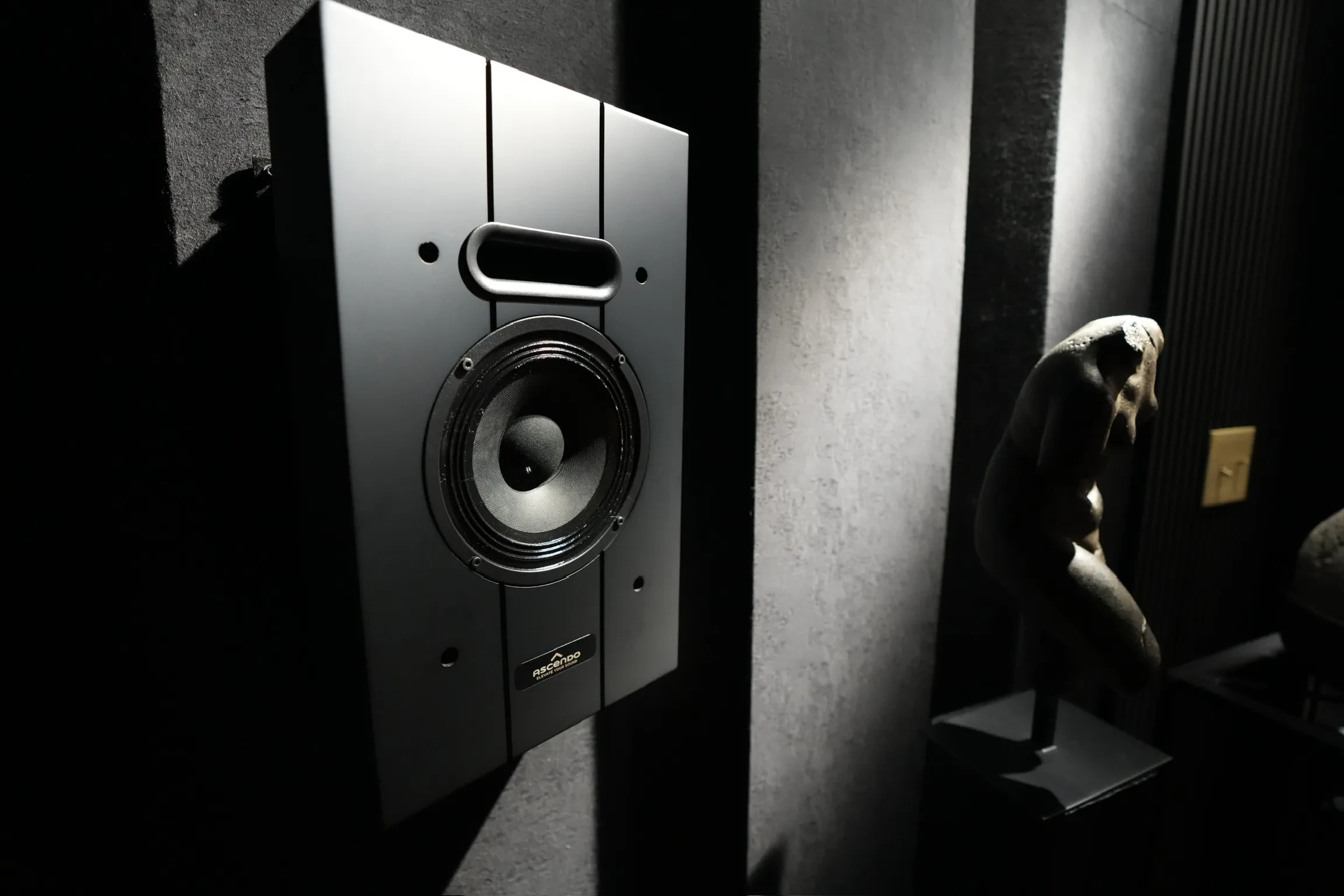
Why Point Source Matters
What sets ASCENDO apart is how it addresses a problem that’s hidden in almost every conventional two- or three-way speaker. When tweeters, midranges, and woofers are separated, each driver radiates sound with slightly different timing across the frequency spectrum. Those tiny timing differences create comb filtering, cancellations, and irregularities in the very directions where your brain expects coherent sound, including floor and ceiling reflections. The result is a direct sound field that conflicts with the reflected energy in the room, smearing imaging, diminishing clarity, and causing listener fatigue.
ASCENDO’s point-source design eliminates these inconsistencies by radiating from a single, coherent acoustic origin, ensuring that every reflection, every seat, and every note preserves precise timing, natural imaging, and effortless listening. In a home theater, this matters enormously.
Relaxed, Enjoyable Entertainment
Naturally, homeowners assume their home should feel safe and comfortable. When a theater room induces subtle tension or listening fatigue, they may not blame the acoustics—but they may ultimately end up using their expensive room less, without even knowing why.
For the integrator, point-source speakers manage the interaction between direct and reflected sound. Because the source is coherent, you can more predictably design speaker placement, early reflection control, and seating geometry.
And if poorly designed acoustics can contribute to stress responses, then well-designed acoustics can contribute to relaxation and emotional engagement. This means happy, engaged, and entertained clients who spend more time in their cinemas, leave glowing reviews, and deliver referrals right to your doorstep.
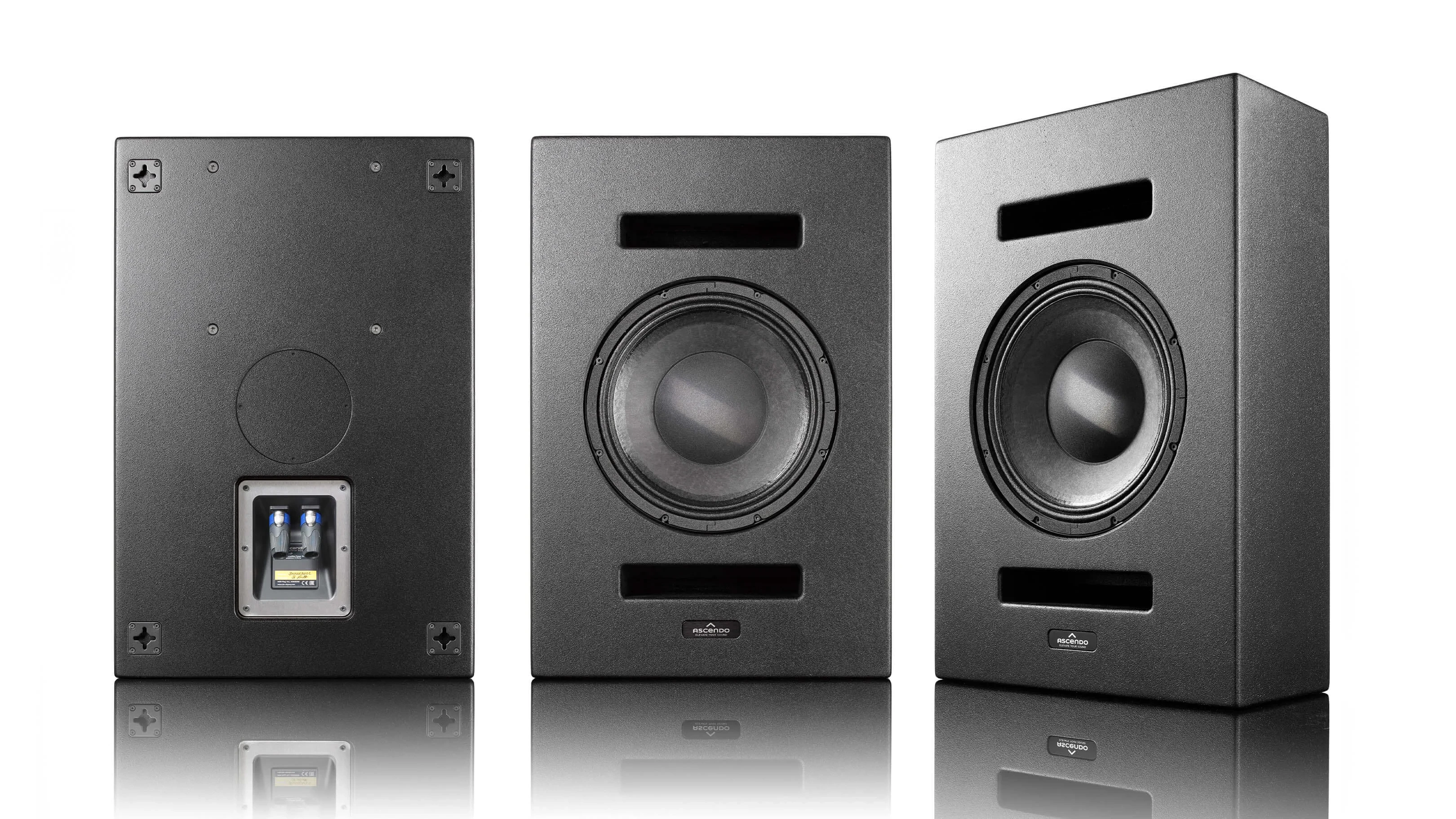
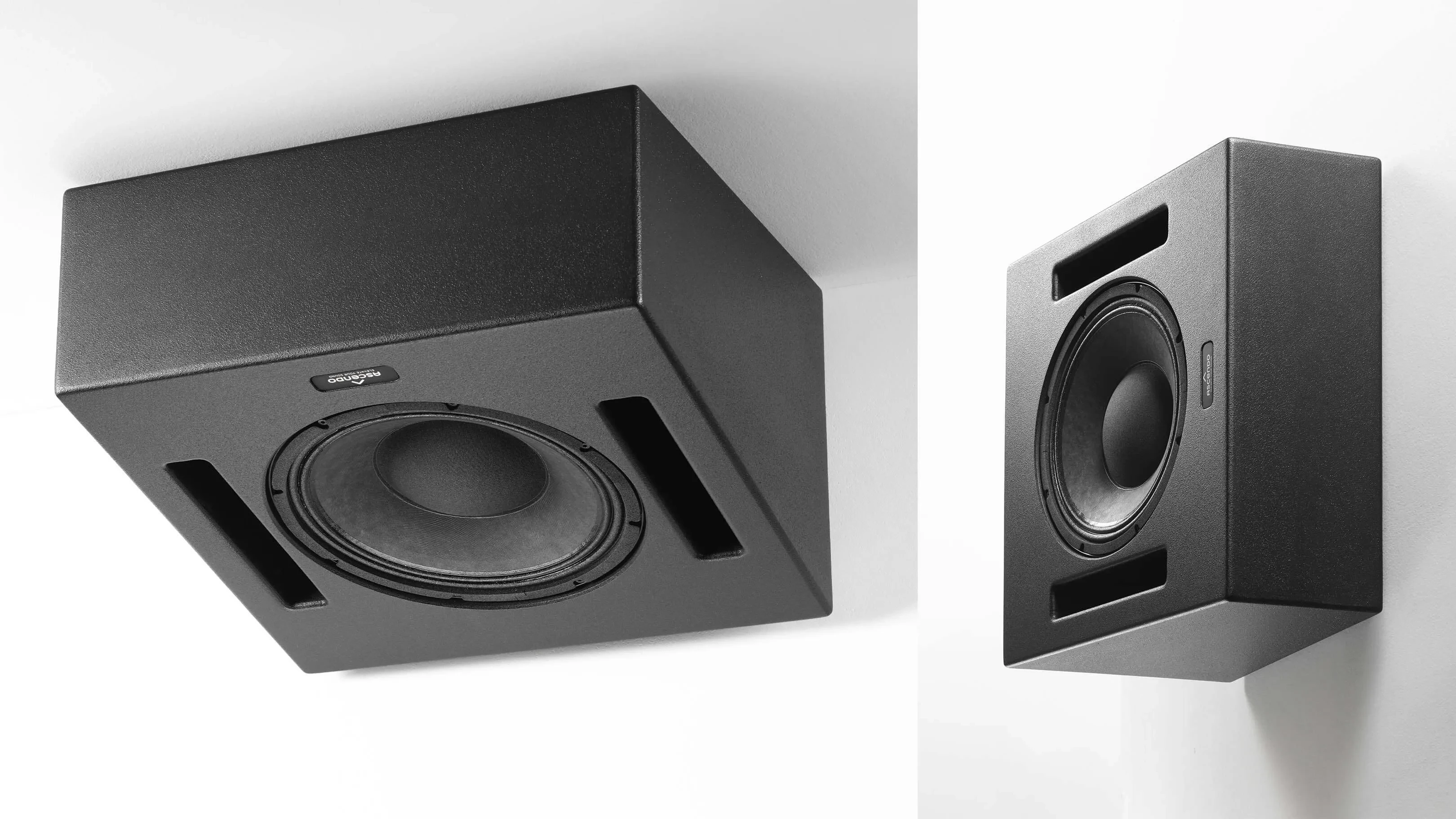
Frequently Asked Questions About Point Source Speakers
What are point source speakers?
Point source speakers are loudspeakers designed so all frequencies originate from a single acoustic center. This preserves timing and phase coherence, resulting in more accurate imaging and a more natural listening experience.
Why is time-domain accuracy important in a home theater?
Time-domain accuracy ensures that sound arrives at the listener’s ears in correct timing alignment across all frequencies. Because the human brain relies on timing cues to interpret space and direction, accurate timing leads to clearer imaging, reduced fatigue, and a more immersive experience.
Do point source speakers sound better than traditional multi-way speakers?
Yes, especially in critical listening environments like home cinemas. Traditional multi-way speakers can introduce slight timing differences between drivers, while point-source speakers maintain coherence, resulting in more stable imaging and a more relaxed listening and viewing experience.
What causes listening fatigue in a home theater?
Listening fatigue is often caused by incoherent sound, when timing differences between direct and reflected sound force the brain to work harder to interpret what it’s hearing. This can come from poor acoustics, speaker design, or improper system integration.
How do reflections affect sound quality?
Reflections from walls, floors, and ceilings arrive shortly after the direct sound. If those reflections are not time-aligned or coherent, they can smear imaging and reduce clarity. Proper speaker design and room treatment help control these effects.
Why do some high-end home theaters still sound uncomfortable?
Even expensive systems can suffer from poor time-domain performance or bad room acoustics. Cost does not guarantee coherence. Speaker design and system integration play a critical role in how a room ultimately feels.
Are point source speakers better for immersive audio formats like Dolby Atmos?
Yes. Because immersive formats rely on precise spatial cues, point source speakers help maintain accurate localization and consistent sound placement throughout the room.
How do point source speakers improve system design for integrators?
They provide more predictable interaction between direct and reflected sound, making it easier to optimize speaker placement, seating layout, and acoustic treatments for consistent performance across all listening positions.
Can point source speakers actually make a room feel more comfortable?
Absolutely. When sound is coherent and natural, the brain doesn’t have to work as hard to process it. This reduces subconscious stress and creates a more relaxed, enjoyable environment.
What is the biggest benefit of point source speaker design?
The biggest benefit is coherence—every sound arrives with consistent timing and phase, preserving clarity, improving imaging, and delivering a more engaging and fatigue-free listening experience.